
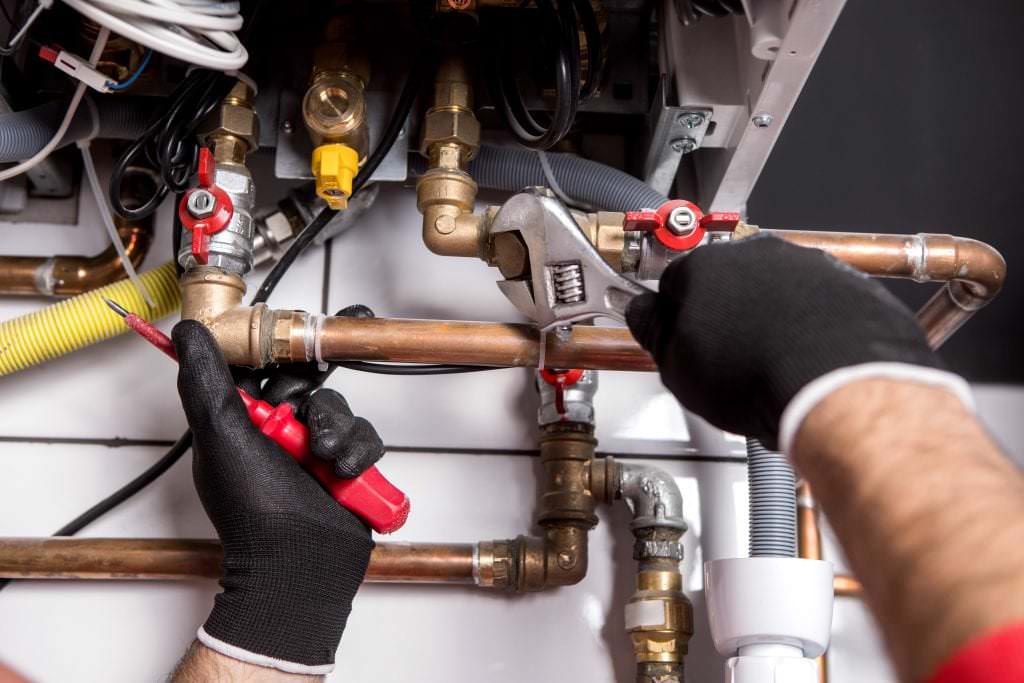
Discover practical solutions to address water coloration and foul odor concerns in your Rheem water heater. This comprehensive guide provides insights into common causes, troubleshooting tips, and preventive measures, ensuring your water remains clean and odor-free.
Read also Issues Experienced with Rheem Water Heater: Fluctuations in Water Temperature >>>
Rheem water heaters are known for their reliability, but users may encounter challenges such as unusual water coloration or foul odors. Understanding the causes and implementing effective solutions is crucial for maintaining a clean and safe water supply. Contact Plumber and Drain Cleaning Services if you need our help!
Common Causes of Water Coloration and Foul Odor
Rheem water heaters are renowned for their efficiency, providing a reliable supply of hot water for various household needs. However, users may encounter issues such as water coloration and foul odors, which can be concerning. Understanding the common causes behind these problems is crucial for effectively addressing them and ensuring a clean and safe water supply.
Sediment Accumulation:
Over time, minerals and debris present in the water settle at the bottom of the tank, forming a layer of sediment. This accumulation not only affects the efficiency of the heating element but also contributes to water coloration and foul odors. When the heating element is encased in sediment, it struggles to transfer heat to the water effectively, resulting in prolonged heating times and increased energy consumption.
Regular flushing of the water heater tank is a proactive solution to combat sediment accumulation. Flushing involves draining the tank to remove the sediment, ensuring that the heating element operates efficiently. This simple maintenance task significantly improves water quality, preventing discoloration and foul odors.
Anode Rod Corrosion:
The anode rod plays a crucial role in preventing corrosion within the water heater tank. Composed of materials sacrificial to the tank, the anode rod undergoes corrosion instead of the tank itself. However, over time, the anode rod can deteriorate, and when this happens, the tank becomes susceptible to corrosion. This corrosion can manifest as rusty water and contribute to foul odors, compromising water quality.
Regular inspection of the anode rod is essential to identify signs of corrosion. Timely replacement of a deteriorating anode rod is crucial to prevent corrosion-related issues. Upgrading to a high-quality anode rod made from materials resistant to corrosion, such as aluminum or magnesium alloys, offers extended protection and contributes to maintaining water quality.
Bacterial Growth:
Stagnant water within the tank can foster bacterial growth, resulting in foul odors and potential discoloration.Bacterial growth is a common issue in water heaters when water remains stagnant for extended periods. The warm and dark environment within the tank provides an ideal breeding ground for bacteria. This can lead to the development of unpleasant smells and, in some cases, contribute to changes in water coloration. While the bacteria themselves may not be harmful, the odors they produce can be unpleasant and impact the overall water quality.
To inhibit bacterial growth, regular flushing of the water heater tank is crucial. Flushing removes stagnant water, preventing the conditions that foster bacterial development. Additionally, maintaining a consistent water heating schedule ensures that water is regularly circulated and less prone to bacterial growth. In cases where bacterial issues persist, disinfecting the water heater following manufacturer guidelines is a recommended measure.
Benefits of Addressing these Causes:
- Consistent Water Quality: Addressing sediment accumulation, anode rod corrosion, and bacterial growth ensures consistent water quality. Users can enjoy clear, clean, and odor-free water for various household activities.
- Enhanced Appliance Performance: Regular maintenance practices, including flushing the tank and inspecting the anode rod, contribute to the enhanced performance of Rheem water heaters. Improved efficiency leads to quicker heating times and reduced energy consumption.
- Extended Appliance Lifespan: Proactive measures to address common causes of water issues contribute to the prolonged lifespan of Rheem water heaters. Regular maintenance and timely component replacements prevent unnecessary strain on the system.
- Cost Savings: By preventing and addressing common causes of water coloration and foul odors, users can avoid costly repairs and replacements. Improved efficiency also results in reduced energy consumption, translating to lower utility bills.
Understanding the common causes behind water coloration and foul odors in Rheem water heaters empowers users to take proactive steps for maintenance and troubleshooting. Whether through regular flushing, anode rod inspection, or addressing bacterial growth, these measures contribute to a reliable, efficient, and long-lasting water heating experience. Prioritizing water heater health ensures that users can consistently enjoy the benefits of clean and hot water in their homes.
Troubleshooting Water Coloration and Odor
Flushing the Tank:
Sediment buildup is a common issue in water heaters, including Rheem models, and it can lead to discolored water and unpleasant odors. Flushing the tank is a proactive maintenance measure that prevents and addresses this problem. During flushing, the drain valve is opened, allowing water and sediment to flow out of the tank. This process not only improves water quality by eliminating sediments but also enhances the overall efficiency of the water heater.
Benefits of Flushing the Tank:
- Improved Heating Efficiency.
- Prevention of Discoloration.
- Extended Appliance Lifespan.
Inspecting the Anode Rod:
Regular inspection of the anode rod is crucial for identifying signs of corrosion, a common cause of rusty water and unpleasant odors. The anode rod plays a pivotal role in preventing corrosion within the water heater tank. However, over time, it can deteriorate, leading to potential issues. Regular inspection involves checking the condition of the anode rod for signs of corrosion or wear. If corrosion is detected, timely replacement is necessary to prevent further damage to the tank and maintain water quality.
Benefits of Inspecting the Anode Rod:
- Corrosion Prevention.
- Prevention of Rusty Water.
- Enhanced Water Heater Performance.
Water Heater Disinfection:
Stagnant water within the tank can foster bacterial growth, leading to unpleasant smells. Water heater disinfection involves killing bacteria and germs present in the tank. This process typically includes raising the water temperature to a level that effectively eliminates bacteria. Following the manufacturer’s guidelines for safe disinfection is crucial to prevent damage to the water heater and ensure a hygienic water supply.
Benefits of Water Heater Disinfection:
- Elimination of Odor-Causing Bacteria.
- Improved Water Quality.
- Maintenance of Hygiene Standards.
Additional Preventive Measures:
In addition to troubleshooting methods, incorporating preventive measures can further ensure the cleanliness and efficiency of Rheem water heaters.
- Regular Maintenance Schedule:
- Benefit: Establishing a routine maintenance schedule for your Rheem water heater involves regular tasks such as flushing the tank, inspecting components, and addressing issues promptly. Proactive maintenance prevents potential problems, ensuring a consistently clean and odor-free water supply.
- Upgrading Components:
- Benefit: Consider upgrading critical components like the anode rod and heating elements. Upgraded parts contribute to cleaner water by reducing the risk of sediment accumulation and corrosion. This proactive approach enhances overall water quality and system efficiency.
Troubleshooting water coloration and odor in Rheem water heaters is a comprehensive process that involves flushing the tank, inspecting the anode rod, and implementing water heater disinfection. These methods, combined with preventive measures like regular maintenance and component upgrades, ensure a reliable, efficient, and hygienic water heating experience. By addressing issues promptly and maintaining a proactive approach to water heater care, users can enjoy the benefits of clean and clear hot water in their homes.
Preventive Measures for Clean Water
Maintaining clean water in Rheem water heaters is essential for ensuring the efficiency, longevity, and safety of the system. By implementing preventive measures such as a regular maintenance schedule and upgrading critical components, users can proactively address potential issues and enjoy a consistent supply of clear and uncontaminated hot water.
Regular Maintenance Schedule:
Establishing a routine maintenance schedule is a fundamental preventive measure for maintaining clean water in Rheem water heaters. This schedule involves regular tasks that contribute to the overall health and performance of the water heating system.
Benefits of a Regular Maintenance Schedule:
- Early Issue Detection:
- Benefit: Regular maintenance allows for the early detection of potential issues. Identifying and addressing problems promptly prevents them from escalating and ensures uninterrupted hot water supply.
- Sediment Removal:
- Benefit: Flushing the tank during scheduled maintenance removes accumulated sediments. Sediment buildup can lead to water discoloration and unpleasant odors, and routine flushing mitigates this risk.
- Efficiency Improvement:
- Benefit: Maintenance tasks, including checking and cleaning components, contribute to the overall efficiency of Rheem water heaters. Improved efficiency results in quicker heating times and reduced energy consumption.
- Prolonged Appliance Lifespan:
- Benefit: Regular maintenance significantly extends the lifespan of water heaters. By preventing unnecessary strain on the system, components last longer, reducing the likelihood of premature failure.
Upgrading Components:
Upgrading critical components within Rheem water heaters is another preventive measure that contributes to maintaining clean water. Components such as the anode rod and heating elements play crucial roles in preserving water quality and preventing issues like corrosion and bacterial growth.
Benefits of Upgrading Components:
- Corrosion Prevention:
- Benefit: Upgrading the anode rod to a high-quality, corrosion-resistant material prevents corrosion within the water heater tank. This proactive approach ensures clean water by preserving the tank’s integrity.
- Reduction of Sediment Accumulation:
- Benefit: Upgraded components, such as advanced heating elements, contribute to the reduction of sediment accumulation. This minimizes the risk of discolored water and maintains water quality.
- Enhanced Bacterial Resistance:
- Benefit: Choosing components with features that resist bacterial growth contributes to maintaining clean water. Upgraded materials can deter the development of unpleasant odors caused by bacteria within the tank.
- Improved System Reliability:
- Benefit: Upgrading critical components enhances the overall reliability of Rheem water heaters. A more reliable system ensures consistent hot water supply without interruptions or unexpected issues.
Additional Considerations for Preventive Measures:
- Temperature Setting:
- Benefit: Maintaining the recommended temperature setting on Rheem water heaters inhibits bacterial growth. Higher temperatures discourage bacteria, contributing to cleaner and safer hot water.
- Consistent Water Heating Schedule:
- Benefit: Establishing a consistent water heating schedule prevents water stagnation within the tank. Regular circulation inhibits bacterial growth and maintains water freshness.
- Water Quality Assessment:
- Benefit: Regularly assessing the quality of incoming water helps users anticipate potential issues. Water testing can identify impurities or changes in composition that may affect water quality.
Implementing preventive measures for clean water in Rheem water heaters is a proactive approach that pays off in terms of system performance, longevity, and the quality of hot water. By adhering to a regular maintenance schedule, upgrading critical components, and considering additional factors like temperature settings and water quality, users can enjoy the benefits of a reliable and hygienic water heating system. Prioritizing preventive measures ensures that Rheem water heaters consistently deliver clean, clear, and uncontaminated hot water for various household needs.
Conclusion
Resolving water coloration and foul odor issues in Rheem water heaters is achievable with proactive measures. Whether through regular maintenance, flushing the tank, or addressing specific component issues, maintaining clean water ensures a reliable and satisfying water heating experience.
Read also Rheem Water Heater Issues: Operational Noises Identified >>>
Frequently Asked Questions (FAQs)
1. Why is my Rheem water heater producing discolored water?
Answer: Discolored water can result from sediment accumulation or corrosion. Regular flushing and anode rod inspection can address these issues.
2. How often should I flush my Rheem water heater?
Answer: Flushing the tank annually is recommended to prevent sediment buildup and maintain water quality.
3. Can a deteriorating anode rod cause foul odors in the water?
Answer: Yes, a corroded anode rod can contribute to unpleasant smells. Timely replacement is crucial to prevent this issue.
4. Is bacterial growth common in water heaters?
Answer: Stagnant water in the tank can foster bacterial growth, leading to odors. Regular tank flushing and disinfection help prevent this.
5. What upgrades can improve water quality in Rheem water heaters?
Answer: Consider upgrading components like the anode rod and heating elements to reduce sediment accumulation and enhance overall water quality.