
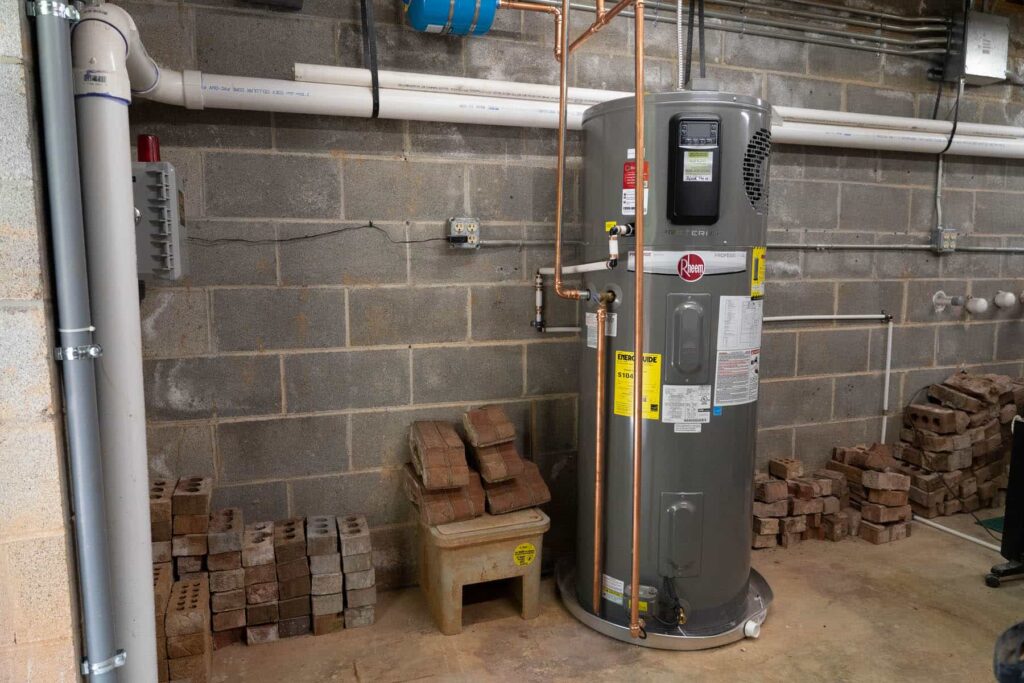
In the realm of home comfort, a reliable and consistent supply of hot water is paramount. However, for those relying on Rheem water heaters, the experience of unexpected fluctuations in water temperature can pose a significant challenge. This article delves into the common issues that lead to temperature variations and provides practical insights and solutions to ensure a steady and comfortable hot water supply. Join Plumber and Drain Cleaning Services on a journey to understand the root causes and discover effective measures to maintain optimal performance from your Rheem water heater. Say goodbye to temperature uncertainties as we unravel the solutions to create a more enjoyable and consistent water heating experience.
Read also Rheem Water Heater Issues: Operational Noises Identified >>>
Common Causes of Temperature Fluctuations:
When it comes to the performance of Rheem water heaters, maintaining a consistent water temperature is crucial for a comfortable living environment. Temperature fluctuations can arise from various issues, and understanding the common causes is the first step in troubleshooting and resolving these issues.
-
Sediment Accumulation:
Sediment accumulation in the water heater tank is a prevalent issue that can lead to temperature fluctuations. Over time, minerals and debris present in the water supply settle at the bottom of the tank. This sediment acts as insulation, hindering the efficient transfer of heat from the heating element to the water. As a result, the water heater may overheat, causing fluctuations in temperature.
Regular flushing of the water heater tank is recommended to remove built-up sediment. This preventive maintenance task enhances heat transfer efficiency, ensuring a more consistent water temperature. Professional plumbing services can efficiently perform tank flushing, preventing sediment-related issues and promoting optimal water heater performance.
-
Faulty Thermostat:
A malfunctioning thermostat is a common culprit for temperature fluctuations in Rheem water heaters. The thermostat is responsible for regulating the water temperature by controlling the heating element. If the thermostat fails or loses its calibration, it may inaccurately gauge the water temperature, leading to inconsistent heating.
Thermostat calibration or replacement is necessary to restore accurate temperature control. Homeowners can attempt to recalibrate the thermostat following the manufacturer’s guidelines. However, for more complex issues or if unsure about the calibration process, seeking professional assistance is advisable. A qualified plumber can diagnose thermostat issues and implement the necessary repairs or replacements.
-
Gas Supply Issues:
Irregular gas supply is another factor contributing to temperature variations in Rheem water heaters. Gas-powered water heaters rely on a steady supply of fuel to maintain consistent heating. Any disruption or insufficient supply of gas can result in inadequate heating, leading to fluctuations in water temperature.
Ensure that the gas supply to the water heater is stable and meets the manufacturer’s specifications. If there are concerns about gas supply, consult with a professional plumber to assess and rectify the issue. Regular checks and maintenance of the gas supply system contribute to a more reliable water heating experience.
Understanding these common causes of temperature fluctuations empowers homeowners to take proactive measures in maintaining the optimal performance of their Rheem water heaters. Regular maintenance and prompt resolution of issues contribute to a more consistent and enjoyable hot water supply.
Read also Key Challenges Encountered in the Top Rheem Water Heater Models >>>
Resolving Temperature Fluctuations:
When faced with temperature fluctuations in your Rheem water heater, taking prompt and effective measures is crucial to restoring a consistent and comfortable hot water supply. This section explores two key solutions for resolving temperature variations: regular maintenance and thermostat calibration or replacement.
-
Regular Maintenance:
Ensuring the Longevity and Consistency of Your Water Heater
Regular maintenance is the cornerstone of a well-functioning Rheem water heater. Scheduled upkeep helps prevent a myriad of issues, including temperature fluctuations. Here’s why regular maintenance is essential:
- Preventing Sediment Accumulation:
- Over time, sediment can build up in the water heater tank, insulating the heating element and causing temperature irregularities. Regular maintenance involves flushing the tank to remove sediment, promoting efficient heat transfer.
- Checking for Wear and Tear:
- Wear and tear on components, such as the heating element and anode rod, can affect the overall performance of the water heater. Professional maintenance includes inspecting these components for signs of deterioration and addressing issues before they lead to temperature fluctuations.
- Verifying Gas Supply:
- Gas-powered water heaters depend on a steady supply of fuel for consistent heating. Regular maintenance includes checking the gas supply system to ensure it meets the manufacturer’s specifications, minimizing the risk of temperature variations.
- Inspecting for Leaks:
- Undetected leaks can impact the efficiency of the water heater and contribute to temperature fluctuations. Routine maintenance involves inspecting the system for leaks and addressing any issues promptly.
Regular maintenance can be scheduled annually or as recommended by the manufacturer. Homeowners can choose to perform basic maintenance tasks, such as checking for leaks, while relying on professional plumbing services for comprehensive inspections and tasks like tank flushing.
-
Thermostat Calibration or Replacement:
Fine-Tuning for Precision Temperature Control
The thermostat plays a pivotal role in regulating the water temperature in Rheem water heaters. When the thermostat malfunctions or loses calibration, it can result in temperature fluctuations. Resolving thermostat issues involves calibration or replacement:
- Calibrating the Thermostat:
- Calibration is the process of adjusting the thermostat to ensure it accurately reflects the desired water temperature. Homeowners can attempt to recalibrate the thermostat using the manufacturer’s guidelines. This involves adjusting the thermostat settings to match a reliable temperature measurement.
- Seeking Professional Calibration:
- For homeowners unsure about the calibration process or facing complex thermostat issues, seeking professional assistance is advisable. A qualified plumber can accurately calibrate the thermostat, ensuring precise temperature control.
- Thermostat Replacement:
- In cases of severe thermostat malfunctions or if the thermostat is beyond calibration, replacement may be necessary. A professional plumber can assess the condition of the thermostat and recommend replacement when needed.
Ensuring a Steady Supply of Comfort:
By incorporating regular maintenance into your water heater care routine and addressing thermostat issues through calibration or replacement, you contribute to a more reliable and consistent hot water supply. These proactive measures not only resolve existing temperature fluctuations but also promote the longevity and efficiency of your Rheem water heater. For homeowners seeking a worry-free water heating experience, investing in regular maintenance and thermostat care is the key to ensuring a steady supply of comfort.
Additional Measures for Prevention:
To maintain a consistent and comfortable hot water supply from your Rheem water heater, implementing preventive measures is as crucial as addressing existing issues. This section explores two additional measures for prevention: insulating hot water pipes and checking for leaks.
-
Insulating Hot Water Pipes:
Minimizing Heat Loss for Optimal Performance
Insulating hot water pipes is a proactive measure that significantly contributes to maintaining water temperature consistency. Heat loss occurs as hot water travels through pipes, especially in unconditioned spaces like basements or crawl spaces. Here’s why insulating hot water pipes is beneficial:
- Reducing Heat Loss:
- Uninsulated pipes allow heat to escape, resulting in a temperature drop by the time hot water reaches the faucet or shower. Insulating the pipes minimizes this heat loss, ensuring that the water maintains its desired temperature throughout the distribution system.
- Improving Efficiency:
- By reducing the need for the water heater to compensate for heat loss, pipe insulation enhances the overall efficiency of the water heating system. This can lead to energy savings and a more eco-friendly operation.
- Conserving Energy:
- Insulated pipes not only preserve the heat within the water but also reduce the frequency of the water heater cycling on and off. This conservation of energy supports a more consistent and steady supply of hot water.
- Enhancing Speed:
- Insulated pipes also contribute to quicker hot water delivery. As the heat is retained during transit, the water reaches its destination with less temperature variance, ensuring a prompt and consistent flow.
Homeowners can easily insulate hot water pipes using readily available pipe insulation materials. This simple yet effective preventive measure is an investment in maintaining optimal water heater performance.
-
Checking for Leaks:
Preserving System Integrity for Uninterrupted Operation
Undetected leaks can compromise the efficiency of a Rheem water heater and contribute to temperature fluctuations. Regularly checking for leaks is a preventive measure that safeguards the system’s integrity:
- Identifying Potential Issues:
- Periodic inspections for leaks help identify potential issues before they escalate. Even minor leaks can lead to water and energy wastage, affecting the overall performance of the water heater.
- Preventing Water Damage:
- Leak detection is not only about maintaining the water heater but also preventing water damage to surrounding areas. Promptly addressing leaks ensures that the water heater operates in a controlled and leak-free environment.
- Preserving Component Lifespan:
- Leaks can accelerate wear and tear on components, such as valves and connections. Regular checks for leaks contribute to preserving the lifespan of these vital parts, promoting the longevity of the entire system.
- Minimizing Repair Costs:
- Early detection and resolution of leaks minimize the need for extensive repairs and associated costs. Proactive leak management supports cost-effective maintenance and keeps the water heater operating smoothly.
Homeowners can perform simple visual inspections for leaks or engage professional plumbing services for a more comprehensive assessment. Regular checks, especially after extreme weather conditions or seismic events, ensure that potential leaks are detected and addressed promptly.
- A Proactive Approach to Water Heater Care:
Incorporating preventive measures, such as insulating hot water pipes and checking for leaks, into your water heater maintenance routine is a proactive approach to ensuring temperature consistency. These measures not only contribute to a more reliable hot water supply but also promote energy efficiency, system integrity, and overall peace of mind. Taking these steps enhances the performance and longevity of your Rheem water heater, providing uninterrupted comfort for your household.
FAQs – Addressing Common Concerns:
- Q: Why is my Rheem water heater’s temperature fluctuating?
- A: Temperature fluctuations can result from sediment buildup, a faulty thermostat, gas supply issues, or maintenance neglect. Our guide provides insights and solutions.
- Q: Can I fix a thermostat issue on my own?
- A: Depending on the severity of the issue, you may calibrate or replace a thermostat. However, for complex problems, consulting a professional is advisable.
- Q: How often should I schedule maintenance for my water heater?
- A: Regular maintenance, ideally annually, helps prevent issues like sediment buildup and ensures consistent water temperature.
- Q: What role does pipe insulation play in temperature control?
- A: Insulating hot water pipes minimizes heat loss during distribution, maintaining water temperature and improving overall system efficiency.
- Q: Are temperature fluctuations always a sign of a serious problem?
- A: Not necessarily. In some cases, minor adjustments or maintenance can resolve fluctuations. However, persistent issues should be addressed promptly to prevent further damage.
Conclusion:
Fluctuations in water temperature from a Rheem water heater can disrupt daily routines. By understanding the causes and implementing our suggested solutions, homeowners can enjoy a reliable and consistent hot water supply. Regular maintenance, troubleshooting thermostat issues, and adopting preventive measures contribute to the longevity and efficiency of your Rheem water heating system. For a worry-free experience, take proactive steps to address and prevent temperature variations, ensuring comfort and satisfaction in your household.