
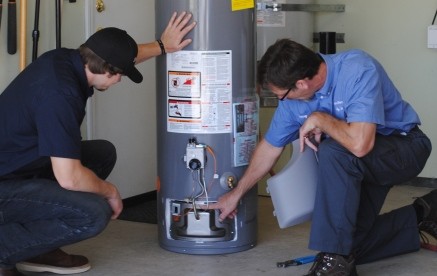
1.Introduction: Unlocking the Significance of Rheem Water Heaters
Rheem water heaters stand as stalwarts in the realm of home comfort, providing reliable and efficient solutions for countless households. Known for innovation and durability, Rheem has earned a reputation as a trusted name in water heating technology, and Plumbing&Drain Cleaning Services can help you learn more.
In homes across the globe, Rheem water heaters have become synonymous with warmth and convenience. Their prevalence in the market is a testament to the brand’s commitment to quality and customer satisfaction. As homeowners increasingly rely on these systems for their daily needs, it’s crucial to understand the challenges that may arise.
Amidst the accolades, users may encounter common issues that can impact the seamless functioning of their Rheem water heaters. In this exploration, we hone in on a specific and frequently encountered problem: water leakage. Delving into the intricacies of this issue, we aim to provide insights and solutions, ensuring that users can continue to enjoy the benefits of their Rheem water heaters without interruption.
2.Understanding Rheem Water Heater Systems:
Embarking on a journey to comprehend Rheem water heaters unveils a world of technological elegance and practical benefits. Rheem, a hallmark of innovation and reliability, offers an array of water heating systems, each tailored to meet diverse needs while ensuring energy efficiency and user convenience.
- Diverse Offerings: Rheem presents a range of water heaters, including traditional tank models and tankless alternatives. Traditional tanks store and heat water for immediate use, while tankless models provide hot water on demand, minimizing energy consumption.
- Efficient Components: Key components such as heating elements, thermostats, and pressure relief valves work seamlessly to deliver consistent hot water. The choice between electric and gas-powered mechanisms allows users to align their preferences with their energy efficiency goals.
- Energy Efficiency: Tankless Rheem water heaters contribute to energy savings by heating water only when needed, eliminating standby energy losses associated with traditional tanks.
- Tips for Optimal Performance: Regular maintenance, including flushing the tank to remove sediment and checking for leaks, ensures the longevity of Rheem water heaters. Adjusting the thermostat to a moderate setting not only prevents scalding but also conserves energy.
Understanding the intricacies of Rheem water heaters is paramount as users explore the benefits these systems bring to their homes. Recognizing their technological sophistication equips users with the knowledge needed to harness the advantages while efficiently addressing challenges. As we delve into specific issues like water leakage, this understanding becomes a valuable tool, empowering users to take proactive measures and make informed decisions for an uninterrupted supply of reliable hot water.
3.Common Causes of Water Leakage: Unraveling the Culprits
Water leakage in Rheem water heaters can be attributed to several factors, each demanding attention to ensure the continued efficiency of these systems. Understanding the common causes is instrumental in addressing issues promptly and preventing potential damage.
- Valve Malfunctions:
- Explanation: One of the leading causes of water leakage is malfunctioning valves. The temperature and pressure relief valve, designed to release excess pressure, can become faulty, leading to leaks. Regular inspection of this valve is crucial to identify and rectify issues promptly.
- Corrosion:
- Explanation: Over time, corrosion can compromise the integrity of the water heater tank. This is especially prevalent in areas with hard water. Corrosion weakens the tank’s structure, resulting in leaks. Regular maintenance, including flushing the tank, helps mitigate the impact of corrosion.
- Sediment Build-Up:
- Explanation: Sediment accumulation at the bottom of the tank is a common issue in water heaters. This sediment can create a barrier between the heating element and the water, leading to overheating and, subsequently, leaks. Flushing the tank periodically helps prevent sediment-related problems.
- Pressure Issues:
- Explanation: Excessive water pressure can strain the water heater, causing leaks. Installing a pressure-reducing valve and regularly checking and adjusting the pressure can alleviate this issue.
- Loose or Damaged Connections:
- Explanation: Water heaters have various connections, including pipes and fittings. Over time, these connections can loosen or sustain damage, resulting in leaks. Regularly inspecting and tightening connections is a preventive measure.
- Internal Tank Damage:
- Explanation: Physical damage to the interior of the tank, whether due to manufacturing defects or external factors, can lead to water leakage. Thorough inspection during routine maintenance helps identify such issues early.
Understanding these common causes of water leakage equips Rheem water heater users with the knowledge needed to perform proactive maintenance and address issues promptly. Regular inspection, coupled with preventive measures, ensures the longevity and optimal performance of these essential household appliances.
4.Detecting Water Leakage Early: A Proactive Approach
Early detection of water leakage in Rheem water heaters is paramount to preventing extensive damage and maintaining the system’s efficiency. Educating users on the signs and methods of early identification empowers them to take swift action, preserving both their appliance and the integrity of their home.
Signs of Water Leakage:
- Puddles or Dampness: Keep an eye out for puddles or damp spots around the base of the water heater.
- Rust or Corrosion: Corrosion on the exterior can signal internal issues, potentially leading to leaks.
- Unusual Sounds: Odd noises during operation may indicate water escaping where it shouldn’t.
Methods for Early Identification:
- Regular Visual Inspections: Schedule routine inspections to visually assess the area around the water heater for any signs of moisture.
- Check for Rust: Inspect the exterior for rust or corrosion, particularly around seams and joints.
- Listen for Unusual Sounds: Be attentive to any new or irregular sounds during the water heating process.
- Monitor Water Bills: A sudden increase in water usage may be a sign of an unnoticed leak.
Importance of Early Detection:
- Prevents Extensive Damage: Catching leaks early mitigates the risk of significant damage to the water heater and surrounding structures.
- Preserves Energy Efficiency: Timely repairs maintain the energy efficiency of the water heater, preventing additional strain on the system.
- Avoids Costly Repairs: Addressing issues promptly often means less extensive and more affordable repairs.
By staying vigilant for signs of water leakage and adopting proactive inspection habits, Rheem water heater users can safeguard their investment and ensure a continuous supply of reliable hot water. Early detection not only prevents potential headaches but also extends the lifespan and performance of these essential home appliances.
5.DIY Troubleshooting and Maintenance: Empowering Users
Empowerment is key when it comes to addressing minor water leakage issues in Rheem water heaters. By providing users with practical tips and maintenance guidelines, they can take proactive measures to troubleshoot and prevent potential problems.
Troubleshooting Minor Water Leakage:
- Inspect Valve Connections: Check for loose or damaged connections on the temperature and pressure relief valve. Tighten or replace connections as needed.
- Examine Drain Valve: Ensure the drain valve is fully closed. If leakage persists, consider replacing the valve.
- Address Loose Fittings: Inspect all visible fittings for signs of looseness. Tighten any loose fittings with the appropriate tools.
- Check for External Damage: Examine the exterior of the water heater for any visible damage, dents, or punctures that may be causing leaks.
Routine Maintenance Guidelines:
- Regular Flushing: Flush the water heater tank periodically to remove sediment buildup, reducing the risk of overheating and leaks.
- Inspect Anode Rod: Check the condition of the anode rod and replace it if it shows signs of corrosion. A healthy anode rod protects the tank from rusting.
- Adjust Thermostat: Set the thermostat to a moderate temperature to prevent overheating, reducing stress on the tank and potential leaks.
- Visual Inspections: Conduct visual inspections routinely, paying attention to any new signs of moisture, rust, or corrosion.
Benefits of DIY Troubleshooting and Maintenance:
- Cost Savings: Addressing minor issues early can prevent the need for costly professional repairs.
- Extended Lifespan: Regular maintenance contributes to the longevity of the Rheem water heater, ensuring sustained performance.
- Energy Efficiency: A well-maintained water heater operates more efficiently, leading to energy savings.
By incorporating these DIY troubleshooting tips and maintenance practices into their routine, Rheem water heater users can actively contribute to the health and longevity of their appliance, minimizing the risk of water leakage and ensuring reliable hot water supply.
6.Professional Intervention and Repairs: Ensuring Expert Solutions
There are instances in the life of a Rheem water heater where professional intervention becomes essential. Timely repairs by qualified plumbers are crucial in addressing complex issues and preserving the longevity of the appliance.
Situations Requiring Professional Help:
- Internal Tank Damage: If there’s evidence of internal tank damage, professional assessment is vital for accurate diagnosis and appropriate solutions.
- Valve Replacement: Faulty temperature and pressure relief valves or other intricate valve issues are best handled by experienced plumbers.
- Gas Line Issues: Problems related to the gas line, such as leaks or malfunctions, require the expertise of professionals to ensure safety and compliance.
Importance of Timely Repairs:
- Preventing Further Damage: Timely repairs prevent minor issues from escalating into major problems, preserving the overall integrity of the water heater.
- Maintaining Energy Efficiency: Swift resolution ensures the continued energy efficiency of the water heater, preventing unnecessary strain on the system.
- Ensuring Safety: Professional repairs guarantee that safety standards are upheld, especially in cases involving gas-powered water heaters.
How Qualified Plumbers Address Complex Issues:
- Diagnostic Expertise: Professional plumbers possess the knowledge and diagnostic skills to identify the root cause of complex issues accurately.
- Access to Specialized Tools: Plumbers have access to specialized tools and equipment necessary for intricate repairs and replacements.
- Compliance with Regulations: Qualified professionals adhere to local regulations and safety standards, ensuring that repairs are conducted in compliance with industry norms.
By recognizing when professional intervention is necessary and acknowledging the benefits of timely repairs, Rheem water heater users can safeguard their investment and ensure the continued reliability of their hot water supply. Entrusting complex issues to qualified plumbers guarantees expert solutions tailored to the specific challenges posed by Rheem water heaters.
7.Upgrading Your Rheem Water Heater: Resolving Persistent Water Leakage
When confronted with persistent water leakage issues in your Rheem water heater, the prospect of upgrading to a newer model emerges as a strategic solution. Delving into this option presents opportunities for improved performance, enhanced features, and the resolution of recurrent leakage challenges.
Scenarios Warranting Consideration:
- Age-related Wear and Tear: If your current Rheem water heater is showing signs of aging, upgrading to a newer model becomes a proactive measure to combat wear and tear issues that may contribute to leaks.
- Frequent Repairs: Persistent repairs for water leakage problems can become financially burdensome. Upgrading offers a chance to invest in a more reliable unit, potentially reducing long-term maintenance costs.
- Technological Advancements: Modern Rheem water heaters often boast advanced technologies such as leak detection systems and improved materials, addressing issues associated with older models.
Benefits of the Upgrade:
- Improved Efficiency: Upgrading to a newer Rheem model typically translates to increased energy efficiency, contributing to reduced utility bills and a smaller environmental footprint.
- Enhanced Features: Newer units may come equipped with features like smart controls, ensuring optimal performance and advanced functionalities.
- Warranty Assurance: An upgrade often brings the benefit of a new warranty, offering peace of mind and protection against unforeseen issues.
By considering these scenarios and acknowledging the advantages of upgrading, Rheem water heater users can make an informed decision to alleviate persistent water leakage concerns, ensuring a reliable and efficient hot water supply for their homes.
Conclusion: Mitigating Water Leakage for Sustained Performance
In wrapping up our exploration of Rheem water heater challenges, addressing water leakage emerges as a pivotal priority. Swift action is key to preserving the efficiency and longevity of these essential appliances. Regular inspections, DIY troubleshooting, and professional interventions are essential components of a comprehensive maintenance strategy.
As we’ve discussed the importance of early detection and proactive measures, it’s crucial to emphasize their role in preventing extensive damage and unnecessary costs. Whether through vigilant monitoring or considering an upgrade, users can safeguard their investment.
Read also Reported Absence of Hot Water in Rheem Water Heater: Noteworthy Problems >>>
Additional Tips for Optimal Rheem Water Heater Performance: Sustaining Efficiency
Beyond addressing leakage concerns, maximizing the long-term efficiency of your Rheem water heater involves adopting proactive measures and good practices.
- Regular Temperature Checks: Ensure your water heater’s thermostat is set to an optimal temperature, preventing overheating and reducing energy consumption.
- Insulation Enhancement: Consider adding insulation to your water heater tank to minimize heat loss, especially in colder climates. This promotes energy efficiency.
- Scheduled Flushing: Regularly flush the tank to eliminate sediment buildup, maintaining the heater’s efficiency and preventing potential leaks.
- Anode Rod Maintenance: Check and replace the anode rod as needed to protect the tank from corrosion, contributing to the overall longevity of the water heater.
- Annual Professional Inspection: Schedule an annual inspection by a qualified plumber to detect potential issues early and ensure the water heater operates at peak efficiency.
By incorporating these additional tips into your maintenance routine, you not only address immediate concerns but also lay the foundation for sustained efficiency and performance from your Rheem water heater.
Read also Issues Experienced with Rheem Water Heater: Water Coloration or Foul Odor >>>
Frequently Asked Questions: Navigating Rheem Water Heater Queries
- Q: How can I detect water leakage in my Rheem water heater early?
- *A: Look for puddles around the base, check for rust or corrosion, and listen for unusual sounds during operation. Regular visual inspections are key to early detection.
- Q: Can I fix a minor leak in my Rheem water heater myself?
- *A: Yes, for minor leaks. Inspect valve connections, tighten loose fittings, and ensure the drain valve is closed. Refer to our DIY troubleshooting section for guidance.
- Q: When should I seek professional help for water leakage issues?
- *A: If the leak persists, if there’s internal tank damage, or if valve problems are complex, it’s advisable to consult a qualified plumber for accurate diagnosis and resolution.
- Q: Is upgrading my Rheem water heater a solution to frequent leaks?
- *A: Yes, especially if your unit is aging, requires frequent repairs, or if you seek improved efficiency. Upgrading to a newer model can resolve persistent leakage problems.
- Q: How can I enhance the overall efficiency of my Rheem water heater?
- *A: Regularly flush the tank, adjust the thermostat, and consider insulation. Annual professional inspections and prompt repairs contribute to sustained efficiency.
These answers provide guidance for common Rheem water heater concerns, assisting users in maintaining optimal performance and addressing issues promptly.